


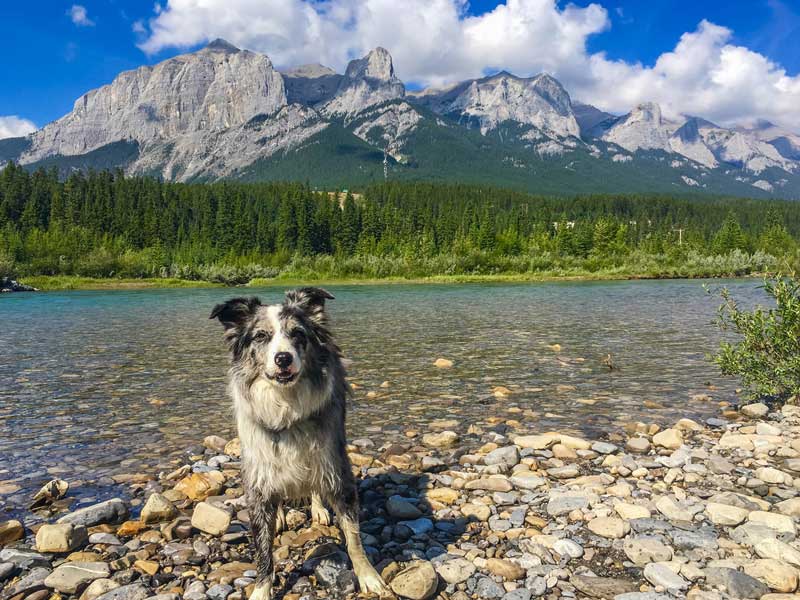
Key Takeaways
- Several national parks offer great opportunities to explore with your dog, but note that pet restrictions vary by park.
- Acadia, Shenandoah and Cuyahoga Valley are among the parks with the most extensive dog-friendly trail access.
- Other parks, including Grand Canyon and Yosemite, have more limited dog access, generally allowing dogs primarily in developed areas, on paved paths or in other designated locations.
- Always check a park's current pet rules before your visit, as regulations and trail access can change.
- Follow the National Park Service's B.A.R.K. Ranger principles to help keep your dog, other visitors and wildlife safe: Bag your pet's waste, Always leash your pet, Respect wildlife, and Know where you can go.
National parks make incredible travel destinations, offering plenty of opportunities to explore the outdoors and connect with nature. While dogs aren’t allowed at all national parks, there are several parks where you and your four-legged companion can enjoy scenic drives, hiking trails, beaches, dunes and other outdoor areas together.
Keep in mind that pet rules vary from park to park. Some national parks allow dogs on many trails, while others restrict pets to developed areas, paved paths, campgrounds or other designated locations. Before you visit, check the park's current pet regulations and any trail-specific restrictions so you know where your dog can go.
Here are 10 national parks that offer some of the best opportunities to explore with your dog.
1. Acadia National Park, Maine
 Photo Credit: NPS/Victoria Stauffenberg
If you want a classic national park experience with your dog, Acadia is hard to beat. Dogs are allowed on more than 100 miles of hiking trails and several carriage roads, giving you plenty of opportunities to explore Maine's rocky coastline and forests together.
Dogs must be kept on a leash no longer than six feet, and there are a few trails where pets aren't permitted. Acadia also has a B.A.R.K. Ranger program for visitors who want to learn more about responsible pet etiquette in the park. B.A.R.K. stands for Bag your pet's waste, Always leash your pet, Respect wildlife and Know where you can go.
Best for: Coastal scenery, hiking and exploring with your dog
2. Shenandoah National Park, Virginia
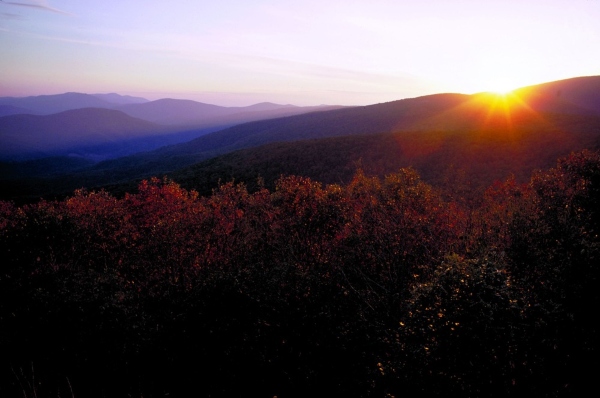 Photo Credit: NPS
Shenandoah National Park is another great option for dog parents who want to hit the trails. Dogs are permitted on most of the park's 500+ miles of hiking trails, although there are a handful of trails where pets aren't allowed.
Dogs must remain on a leash no longer than six feet. With mountain views, waterfalls, forests and the scenic Skyline Drive, Shenandoah offers plenty of ways to enjoy the outdoors together.
Best for: Long hikes and mountain scenery
3. Cuyahoga Valley National Park, Ohio
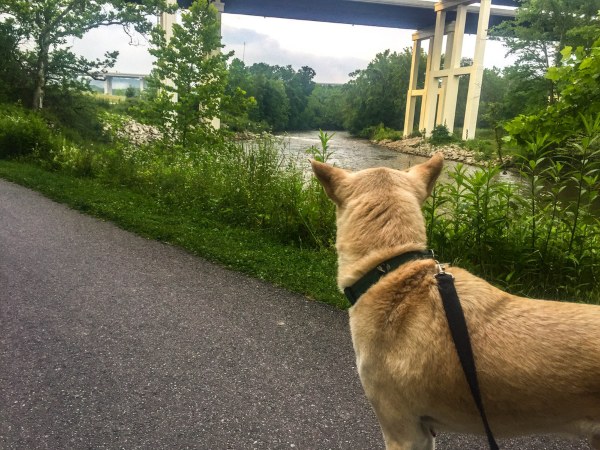 Photo Credit: NPS/Victoria Stauffenberg
Cuyahoga Valley National Park stands out for its vast network of dog-friendly trails. Leashed pets are welcome on more than 100 miles of hiking trails, as well as the multi-use Ohio & Erie Canal Towpath Trail.
For a shorter outing, consider the Towpath Trail or Oak Hill Trail. Dogs aren't allowed on the East Rim Mountain Bike trails or in certain areas during sledding activities, so check trail restrictions before heading out.
Best for: Forest walks, waterfalls and leisurely hikes
4. Hot Springs National Park, Arkansas
 Photo Credit: NPS, 2010
Hot Springs National Park is one of the most dog-friendly national parks in the country. Dogs are welcome on all 26 miles of the park's trails, as well as throughout much of the outdoor areas.
The park's trails range from shorter walks to longer hikes through the Ouachita Mountains. Dogs must be leashed, and pets aren't allowed inside federal buildings.
Best for: A dog-friendly getaway with hiking and a historic downtown
5. Congaree National Park, South Carolina
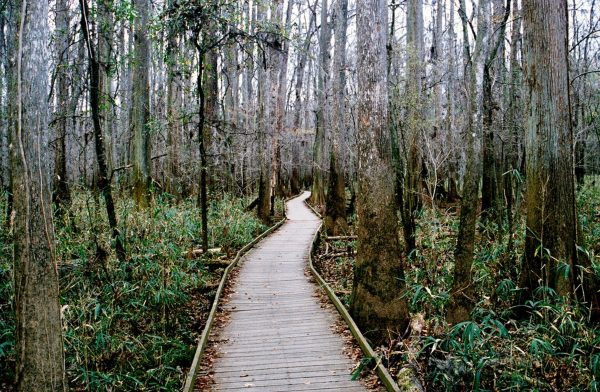 Photo Credit: NPS
Congaree National Park is very dog-friendly, as dogs are welcome on all trails, providing they are leashed at six feet maximum at all times and under control. There's plenty to explore with your dog, including the largest intact expanse of old-growth bottomland hardwood forest remaining in the southeast! A popular route in this park is the 2.4-mile elevated Boardwalk Loop, which is an easy walk above the forest floor.
Beyond hiking, dogs are also allowed on canoe and kayak routes along Cedar Creek, a great activity for an adventurous dog.
The elevated boardwalk can feel narrow, so make sure to keep your dog close when passing other hikers or pets. Be sure to bring plenty of fresh water, especially if you plan to visit during hot and humid weather in the summer months.
Best for: Boardwalk hikes, old-growth forest walks, and dog-friendly paddling.
6. Petrified Forest National Park, Arizona
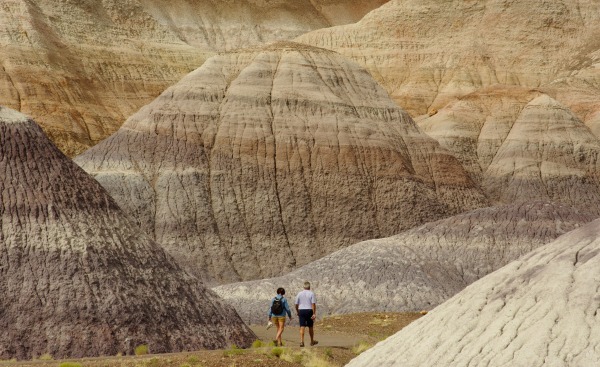 Photo Credit: NPS
Petrified Forest offers an unusual opportunity for dog parents: pets are allowed on developed trails, paved roads and designated wilderness areas. That means your dog can experience much more of the park than at many other national parks.
Dogs must remain on a leash no longer than six feet. The park even has a BARK Ranger program and a fenced dog park near the Painted Desert Visitor Center.
Best for: Desert landscapes, scenic drives and unique geological sights
7. Great Sand Dunes National Park & Preserve, Colorado
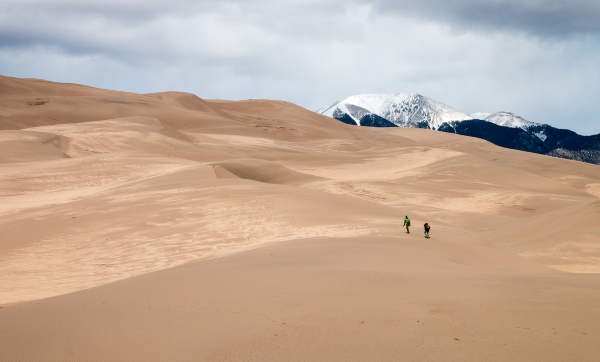 Photo Credit: NPS Photo/Mackenzie Reed
Imagine hiking across massive sand dunes with your dog by your side. At Great Sand Dunes, pets are permitted in several areas, including the main day-use area of the dune field, as well as portions of the preserve and certain roads.
There are important restrictions, however. Dogs aren't allowed in the backcountry of the dune field beyond the first high ridge or on several designated trails and areas. Be sure to check the park's pet map before your visit.
Best for: Adventurous dogs who love exploring new terrain
8. White Sands National Park, New Mexico
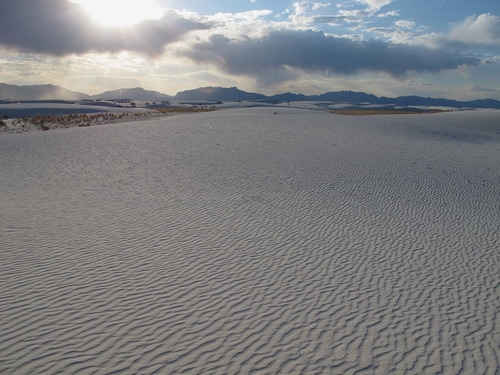 Photo Credit: NPS Photo
White Sands offers one of the most memorable landscapes you can experience with a dog. Pets are welcome as long as they're not disruptive and kept on a leash no longer than six feet.
The bright white gypsum dunes can also get extremely hot, so be very mindful of the temperature and your dog's comfort. Pets aren't allowed inside the visitor center or gift shop.
Best for: Scenic walks and unique desert landscapes
9. Grand Canyon National Park, Arizona
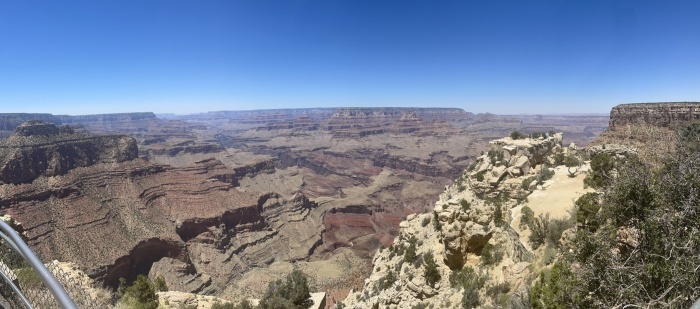 Photo Credit: NPS
You don't have to leave your dog behind to enjoy the Grand Canyon. On the South Rim, leashed dogs are allowed on trails above the canyon rim, in developed areas and at several campgrounds.
Dogs aren't permitted below the rim on inner-canyon trails or on park shuttle buses, so you'll need to plan your itinerary accordingly. The South Rim also offers pet-friendly lodging at Yavapai Lodge.
Best for: Iconic views and scenic walks
10. New River Gorge National Park & Preserve, West Virginia
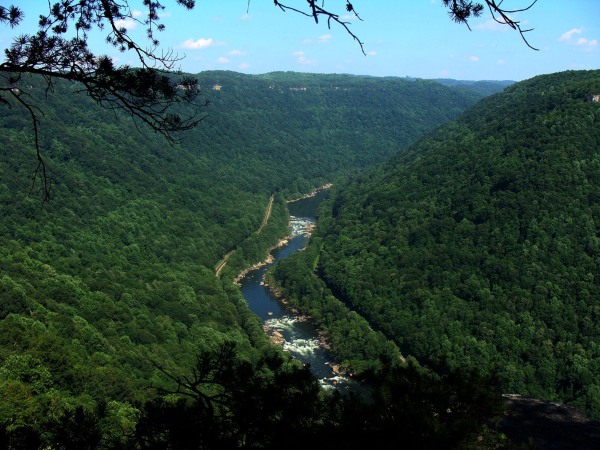 Photo Credit: NPS photo/Dave Bieri
River Gorge is one of the newest national parks, and one of the most dog-friendly in the country. Some parks restrict dogs to paved areas only, but in River Gorge, leashed dogs are allowed to walk on every park trail. There’s over 100 miles of hiking trails to be explored, including hardwood forests, historical coal mining sites and sandstone crags. One of the most popular routes in this park are the Endless Wall Trail and the Long Point Trail, both offer spectacular views of the gorge and the New River Gorge Bridge.
It's important to note that dogs must remain on a leash no longer than six feet while you’re in the park, which is especially important when walking along the sheer cliff edges on the rim trails. Dogs are not permitted to enter the visitor centers but can earn a B.A.R.K dog tag at visitor stations.
Best for: Scenic gorge views, cliffside hiking, and 100% trail access
Dog-Friendly National Park Etiquette
Remember that taking your dog to a national park is a privilege. Following a few basic etiquette rules can help protect wildlife, other visitors and the parks themselves.
1. Bag your dog's waste
Always bring waste bags and pick up after your dog. Dog waste can introduce bacteria and disease into waterways and affect wildlife. And always take the waste bag with you: don't leave a filled bag along the trail with the intention of picking it up later.
2. Keep your dog on a leash
Even if your dog has excellent recall, national parks are unfamiliar environments filled with new sights, smells, sounds and wildlife. The National Park Service's B.A.R.K. Ranger program recommends always keeping dogs on a leash no longer than six feet.
A leash also helps prevent your dog from approaching other visitors or dogs who may be uncomfortable around pets.
3. Respect wildlife
Your dog may be curious about deer, elk, birds, snakes or other wildlife, but be sure to give animals plenty of space. When a dog approaches or chases wildlife, it causes stress for the wild animals in their natural habitat even if your dog doesn’t intend to cause harm.
If wildlife changes its behavior because of your presence, you're probably too close.
4. Know where your dog can go
Don't assume that a national park's entire trail system is dog-friendly. Some parks allow dogs on most trails, while others restrict pets to paved paths, campgrounds or developed areas.
Check the official park website before your trip and look for current trail closures and pet restrictions.
5. Be considerate of other visitors
Not everyone is comfortable around dogs. Keep your dog close to you, don't allow them to approach strangers without an invitation, and try to minimize barking.
6. Prepare for the conditions
National parks can expose dogs to potential dangers such as heat, cold, rough terrain, drastic elevation changes, ticks and unfamiliar wildlife. Bring plenty of water, food, waste bags and any medications your dog needs. Consider your dog's fitness level when choosing a trail, and don't push your dog farther than they're comfortable going.
What to Bring When Visiting a National Park with Your Dog
Before heading out, pack the essentials your dog may need for a safe and comfortable day outdoors. Your packing list may vary depending on the park, the weather, and length of your adventure, but here are some things to consider bringing:
- Leash and harness: A secure harness can give you more control while exploring unfamiliar terrain.
- Plenty of water and a collapsible bowl: Don't rely on natural water sources to keep your dog hydrated.
- Food and treats: Pack enough for the day, especially if you're planning a longer hike.
- Waste bags: Always clean up after your dog and carry waste bags with you.
- Any medications your dog needs: Bring enough for the duration of your trip, plus a little extra if you're traveling far from home.
- Pet first-aid kit: A basic kit can come in handy for minor cuts, scrapes or other injuries.
- Paw protection: Consider booties or paw balm if you'll be walking on hot, rocky or rough terrain.
- Tick-removal tool or tweezers: These can help you quickly remove a tick if you find one on your dog.
- Emergency dog rescue sling or carrying harness: For longer or more remote hikes, consider bringing a way to carry your dog if they become injured or unable to walk.
- Veterinary and emergency contact information: Save your veterinarian's contact information and the number for a nearby emergency veterinary hospital on your phone. If you're heading somewhere with limited cell service, consider writing the information down or saving it somewhere you can access offline.
Essential Dog Safety & Weather Hazards in National Parks
Before you hit the trails with your dog, keep the following critical health and environmental safety factors in mind before you set off on your adventure.
Protect your dog from surface heat: Depending on where you go, it can get very hot in some national parks, which is why protecting your pup's paws is crucial. Make sure you bring some dog booties when walking on sand dunes, or consider walking early in the morning or later in the evening.
The 7 second test can help determine whether it's too hot. This involves placing your hand against the ground for 7 seconds, and if it's too hot to hold your hand, it's too hot for them.
Keep your dog hydrated: Always carry extra fresh water and never rely on trail streams or lakes. Stagnant water is dangerous for both you and your dog. Keep your dog leashed at all times, and be extra careful around dangerous hot springs.
Look out for overheating: Before hitting the trails, make sure you know and recognize the signs of overheating in dogs. Symptoms include rapid panting, reluctance to walk, and thick drooling. If you think your dog is overheating, take them into the shade immediately and apply cool (not ice-cold) water to their paws, stomach, and ears. Offer them small sips of drinking water too.
Plan Ahead for a Dog-Friendly Adventure
A little preparation can make a national park trip more enjoyable for both you and your dog. Check the park's pet rules, choose dog-friendly trails and areas ahead of time, be prepared to adjust your plans if conditions aren't right, and consider what you would do if your dog became injured or unable to walk. On longer or more remote hikes, an emergency dog rescue sling can help you carry your dog to safety if they can't walk out on their own. Most importantly, follow the B.A.R.K. Ranger principles: Bag your pet's waste, Always leash your pet, Respect wildlife and Know where you can go.
With the right preparation and a little responsible pet etiquette, you and your best friend can enjoy some unforgettable adventures together.
Frequently Asked Questions
Are dogs allowed in national parks?
Many national parks allow dogs in at least some areas, but rules vary by park. Dogs may be allowed on certain trails, roads, campgrounds, beaches or developed areas, while other areas may be off-limits. Check the specific national park's pet regulations before visiting.
What should I bring when taking my dog to a national park?
Bring a leash, waste bags, plenty of water, food or treats and any medications your dog needs. Depending on the park and your activities, you may also want to bring a collapsible water bowl, paw protection, a pet first-aid kit, and a dog rescue sling.
Can dogs hike off leash in national parks?
Generally, dogs should remain leashed in national parks. The National Park Service's B.A.R.K. Ranger principles specifically recommend always using a leash, and many parks require dogs to be on a leash no longer than six feet.
What is a B.A.R.K. Ranger?
The National Park Service's B.A.R.K. Ranger program encourages responsible pet ownership in national parks. B.A.R.K. stands for Bag your pet's waste, Always leash your pet, Respect wildlife and Know where you can go. Some parks offer their own B.A.R.K. Ranger programs, pledges or activities for visitors and their pets.
What should I do if my dog isn't allowed on a particular trail?
Don't try to sneak your dog onto a restricted trail. Look for an approved pet-friendly trail, paved path, road or developed area instead. National parks can have restrictions designed to protect wildlife, sensitive habitats and visitors, so following posted rules helps protect these places for future visitors and their pets.
What is the most dog-friendly national park in the U.S.?
Acadia National Park and Shenandoah National Park are widely considered to be the most dog-friendly national parks in the country.
Are dogs allowed at the Grand Canyon?
Yes, leashed dogs are allowed at the Grand Canyon, but they are not allowed below the canyon rim. However, pets are free to explore areas including the Desert View Campground, the Mather Campground, Trailer Village, and around developed areas. Pets are also able to board in the Grand Canyon kennel.